
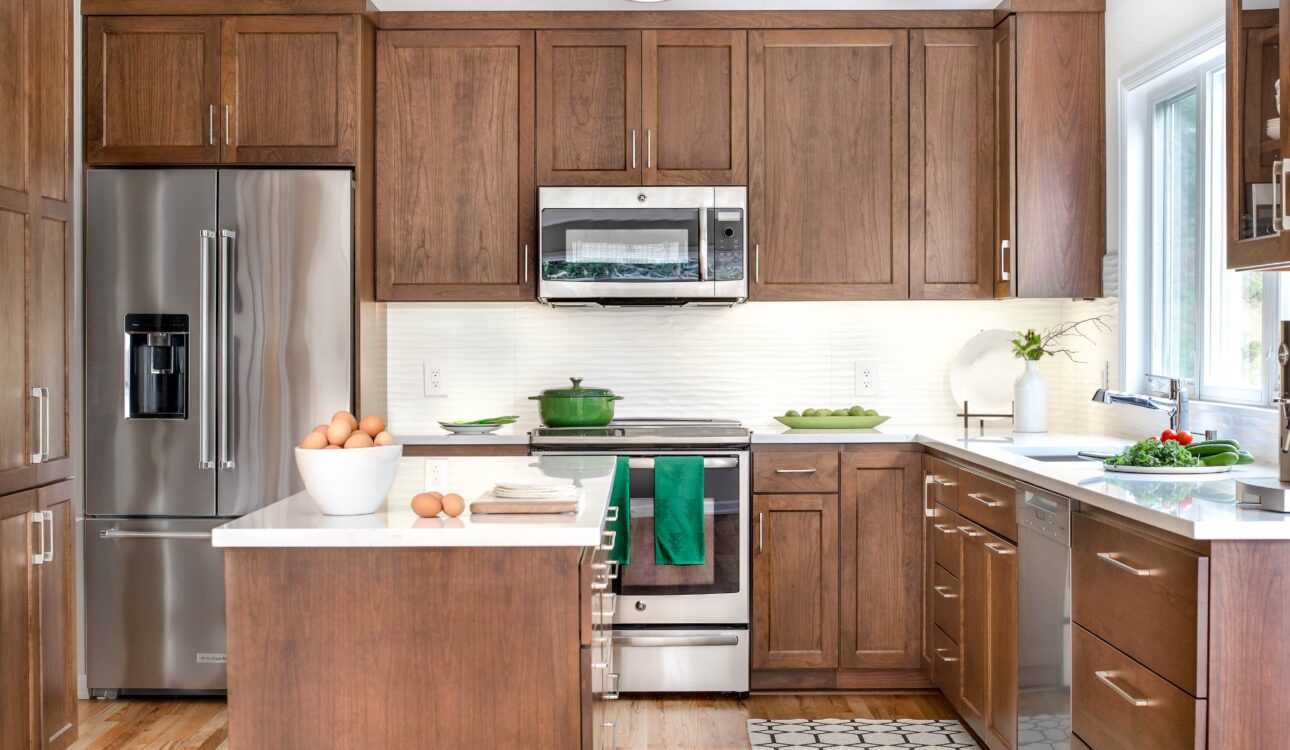
Designing a bespoke kitchen in London is one of the most rewarding investments you can make in your home. Unlike off-the-shelf kitchens, a bespoke kitchen is tailored to your lifestyle, cooking habits, available space, and personal taste. Whether you’re renovating a Victorian townhouse in Kensington or upgrading a modern apartment in Canary Wharf, careful planning is essential. Working with a specialist bespoke London kitchen designer ensures every detail is considered from the outset. However, many homeowners make avoidable mistakes that can lead to unnecessary costs, delays, or a kitchen that doesn’t fully meet their expectations.
This guide explains the most common mistakes people make when designing a bespoke kitchen and how to avoid them, helping you create a beautiful, practical, and long-lasting space.
Why Careful Planning Matters
A bespoke kitchen isn’t simply about premium cabinets or luxury worktops. It is about designing a space that works perfectly for your daily routine while complementing your home’s architecture.
Unlike standard kitchen units, bespoke kitchens offer complete flexibility. Every cabinet, drawer, appliance housing, and storage solution can be customized to maximize both aesthetics and functionality.
Because every element is made to order, mistakes made during the planning phase are often expensive to correct later.
Mistake 1: Prioritizing Appearance Over Functionality
One of the biggest mistakes homeowners make is focusing entirely on how the kitchen will look.
While beautiful cabinetry, elegant worktops, and designer lighting are important, functionality should always come first.
Ask yourself:
- How often do you cook?
- Do multiple people cook together?
- Do you entertain guests frequently?
- Do you need extra pantry storage?
- Do you require child-friendly features?
A stunning kitchen that lacks practical storage or efficient workflow quickly becomes frustrating.
Expert Tip
Design your kitchen around your lifestyle first, then choose finishes and colours that enhance the design.
Mistake 2: Ignoring the Kitchen Work Triangle
Professional kitchen designers still rely on one timeless principle: the kitchen work triangle.
This refers to the relationship between the:
- Sink
- Hob
- Refrigerator
These three points should allow smooth movement while preparing meals.
If they’re placed too far apart, cooking becomes inefficient.
If they’re too close together, the kitchen can feel cramped.
A bespoke kitchen allows designers to optimize this layout specifically for your available space.
Mistake 3: Not Planning Enough Storage
Many homeowners underestimate how much storage they actually need.
Once everyday appliances, cookware, food supplies, and cleaning products are moved into the new kitchen, storage can quickly become inadequate.
Instead of relying solely on cupboards, consider:
- Pull-out pantry units
- Deep pan drawers
- Corner storage systems
- Integrated spice racks
- Hidden recycling bins
- Ceiling-height cabinets
- Appliance garages
Well-designed storage keeps worktops clutter-free and improves everyday usability.
Mistake 4: Choosing Style Over Durability
Luxury finishes look impressive in a showroom, but not every material performs well in busy family homes.
- For example:
- Some worktops scratch easily.
- Gloss finishes show fingerprints.
- Certain woods require ongoing maintenance.
- Low-quality hinges wear out quickly.
When investing in a bespoke kitchen, choose materials that combine beauty with long-term durability.
Quality cabinetry, premium hardware, and reliable fittings can last for decades when properly maintained.
Mistake 5: Poor Lighting Design
Lighting is often treated as an afterthought.
A well-designed bespoke kitchen should include three layers of lighting:
Ambient Lighting
General ceiling lighting for overall visibility.
Task Lighting
LED lighting beneath wall cabinets for food preparation.
Accent Lighting
Decorative lighting that highlights shelving, splash backs, or kitchen islands.
Combining these creates a kitchen that feels brighter, safer, and more luxurious.
Mistake 6: Underestimating Electrical Requirements
Modern kitchens use more electrical appliances than ever before.
Consider power requirements for:
- Coffee machines
- Air fryers
- Wine coolers
- Charging stations
- Smart speakers
- Boiling water taps
- Under-cabinet lighting
Planning electrical outlets early prevents costly alterations later.
Never rely solely on extension leads in a luxury kitchen.
Mistake 7: Forgetting Future Needs
A bespoke kitchen should remain functional for many years.
Think beyond your current lifestyle.
Ask yourself:
- Will your family grow?
- Will children become teenagers?
- Will you work from home more often?
- Could accessibility become important in the future?
Designing with flexibility ensures your investment continues to meet your needs as life changes.
Mistake 8: Choosing Appliances Too Late
Many homeowners select appliances after the cabinetry has already been designed.
This often causes problems because integrated appliances require precise measurements.
Choose appliances before finalizing:
- Cabinet dimensions
- Island layouts
- Ventilation
- Plumbing
- Electrical positioning
This allows everything to fit seamlessly.
Mistake 9: Not Hiring Experienced Bespoke Kitchen Specialists
A bespoke kitchen is very different from installing flat-pack units.
Experienced designers understand:
- Space planning
- Cabinet construction
- Material selection
- Lighting integration
- Building regulations
- Installation tolerances
Working with specialists reduces costly errors while ensuring a higher-quality finish.
- Mistake 10: Focusing Only on Today’s Trends
Kitchen trends change every few years.
Ultra-trendy colors and finishes may quickly become outdated.
Instead, build your kitchen around timeless elements such as:
- Natural wood
- Stone worktops
- Neutral cabinetry
- Quality craftsmanship
- Elegant lighting
You can always update accessories and décor later without replacing the entire kitchen.
Mistake 11: Overlooking Ventilation
Ventilation is one of the most overlooked aspects of bespoke kitchen design, yet it has a significant impact on comfort and maintenance.
Cooking produces steam, grease, smoke, and odors that can spread throughout your home if they are not properly extracted.
Many homeowners choose an extractor hood based solely on appearance rather than performance.
When planning your bespoke kitchen, consider:
- The size of your kitchen
- The power of your cooker
- Ceiling height
- Open-plan living spaces
- Ducted vs. recirculating extraction
A high-quality extraction system keeps your kitchen cleaner, protects cabinetry from grease build-up, and improves indoor air quality.
Mistake 12: Not Maximizing Every Inch of Space
Space is often at a premium in London homes, making intelligent design essential.
One of the greatest advantages of a bespoke kitchen is that every cabinet is built specifically for your room.
Unlike standard kitchen units, bespoke cabinetry can utilize awkward spaces such as:
- Alcoves
- Sloping ceilings
- Narrow corners
- Chimney breasts
- Unused wall space
- High ceilings
Custom-built solutions ensure no valuable storage space is wasted.
If your kitchen is small, features such as tall larder cupboards, pull-out storage, integrated appliances, and multifunctional islands can dramatically improve usability.
Mistake 13: Ignoring Your Budget Priorities
A bespoke kitchen is a premium investment, but that doesn’t mean every element needs to be the most expensive option available.
Many homeowners overspend on decorative features while compromising on the components that matter most.
Priorities your budget in this order:
- Cabinet construction
- Professional installation
- Hardware and hinges
- Worktops
- Appliances
- Lighting
- Decorative finishes
Quality cabinetry and expert craftsmanship will have a greater long-term impact than expensive accessories.
An experienced designer can also recommend where to save money without compromising quality.
Mistake 14: Skipping the Design Review Process
Excitement often leads homeowners to approve kitchen drawings too quickly.
Before production begins, carefully review every detail.
Check:
- Cabinet sizes
- Appliance locations
- Door swing directions
- Drawer clearances
- Island dimensions
- Lighting positions
- Socket locations
- Worktop overhangs
- Plumbing points
Making changes before manufacturing begins is relatively straightforward.
Making changes after installation has started can be costly and time-consuming.
Mistake 15: Choosing Price Over Quality
Everyone wants value for money, but choosing the cheapest quote can lead to expensive problems later.
Low-cost kitchens may use:
- Inferior cabinet materials
- Lower-quality hinges
- Thin worktops
- Poor installation practices
- Limited warranties
A bespoke kitchen should last for many years.
Investing in experienced designers and skilled craftsmen often saves money over the lifetime of your kitchen by reducing repairs and replacements.
Frequently Asked Questions
What is the biggest mistake when designing a bespoke kitchen?
The most common mistake is prioritizing appearance over functionality. A beautiful kitchen should also provide practical storage, efficient workflow, and durable materials to support everyday use.
Is a bespoke kitchen worth the investment?
Yes. A bespoke kitchen is tailored to your home’s layout and your lifestyle. It often offers better craftsmanship, higher-quality materials, improved storage, and a longer lifespan than mass-produced alternatives.
How long does it take to design and install a bespoke kitchen?
The timeline depends on the complexity of the project, but most bespoke kitchens take several weeks for design, manufacturing, and installation. Planning ahead helps avoid delays.
How can I make a small London kitchen feel bigger?
Use space-saving cabinetry, integrated appliances, light color palettes, tall storage units, and well-planned lighting. Bespoke designs maximize every available inch, making compact kitchens feel larger and more functional.
Should I hire a bespoke kitchen specialist?
Yes. An experienced specialist can help you avoid costly mistakes, optimise your layout, recommend suitable materials, and ensure the finished kitchen meets both your practical needs and aesthetic preferences.
Final Thoughts
Designing a bespoke kitchen is an exciting opportunity to create a space that reflects your lifestyle, enhances your home, and adds long-term value. While it’s easy to focus on colors, finishes, and the latest design trends, the most successful kitchens are built on thoughtful planning, expert craftsmanship, and practical functionality.
By avoiding the common mistakes outlined in this guide, such as poor storage planning, inadequate lighting, choosing style over durability, or overlooking ventilation, you can enjoy a kitchen that not only looks exceptional but also performs beautifully for years to come.
If you’re planning a kitchen renovation in London, partnering with experienced professionals can make all the difference. Bespoke London Kitchen, you’ll receive expert guidance, bespoke craftsmanship, and tailored solutions designed to maximize your space and bring your vision to life.
Whether you’re transforming a compact city apartment or a spacious family home, investing in a professionally designed bespoke kitchen ensures your new space is both timeless and functional.